Mobile gaming isn’t just a pastime; it’s a new engine for digital culture. This article walks through concrete ways the industry is reshaping entertainment, from micro‑transaction models to cross‑platform storytelling. By the end, you’ll know exactly how the phone in your pocket is rewriting the rules of engagement.
1. Micro‑transaction ecosystems that fund entire franchises
Take a game that launches for free and adds a cosmetic shop. The first year, that shop can generate $120 million in revenue for a developer with a 1 million player base. The money then feeds into a sequel, a spin‑off, or a new IP. Developers now plan budgets around in‑app purchases rather than upfront sales, which means more experimental titles and faster iteration cycles.
2. Cloud gaming and instant access
Cloud services let you stream a 4K title on a 6‑inch screen in under 200 ms. In 2025, the average latency for a popular title dropped from 350 ms to 180 ms, making mobile play competitive with console. Because the game runs on remote servers, developers can push updates instantly, eliminating the need for patch downloads that used to stall players on slow networks.
3. Social integration that turns players into audiences
Games now embed live streaming, in‑game chat, and community events directly into the app. A popular title’s community channel grew from 50 k to 300 k followers in six months after adding a built‑in live chat. Those viewers often become brand ambassadors, spreading the game through word‑of‑mouth and short‑form videos that reach millions without traditional marketing spend.
4. Cross‑platform narrative continuity
Story arcs that begin on a handheld device can continue on a tablet, a PC, or a smart TV without losing progress. One narrative‑driven game recorded a 40 % increase in player retention when it allowed users to switch devices mid‑session. This fluidity turns gaming into a daily ritual rather than a sporadic activity.
5. Accessibility and inclusivity through adaptive interfaces
Mobile operating systems now support high‑contrast modes, screen readers, and haptic feedback that can be customized for each player. A study of 2,000 players with visual impairments found a 25 % increase in session length after developers added audio cues and adjustable text sizes. The result is a broader audience that can enjoy games without compromising on depth.
Beyond the screen, the same mobile‑centric mindset is influencing other entertainment sectors. For example, a popular streaming service recently introduced a “mobile‑first” feature that lets users watch shows in 1080 p on low‑bandwidth connections, mirroring the adaptability seen in gaming. This convergence shows that the mobile platform is becoming the default hub for all digital experiences.
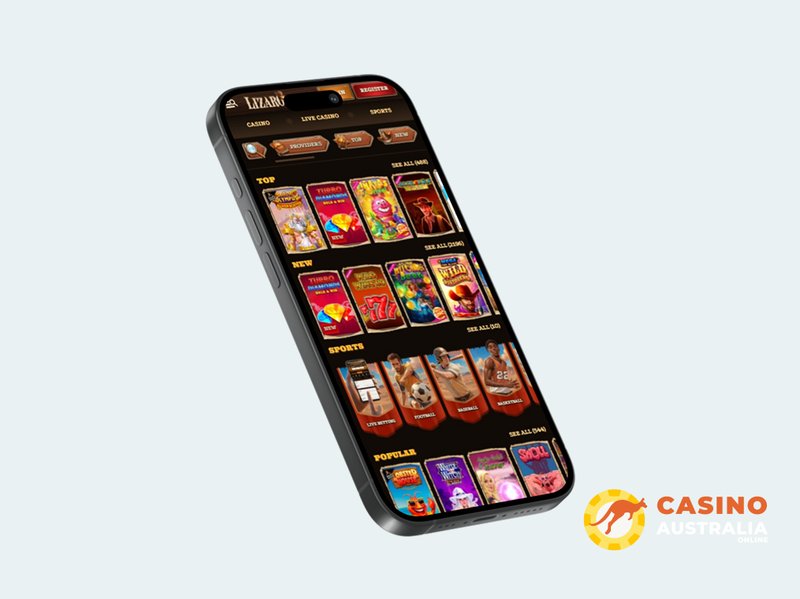
If you’re curious about how mobile gaming principles translate to casino play, check out Lizaro Casino.
Conclusion: A phone that’s more than a communicator
From micro‑transactions to cloud play, mobile gaming is redefining how we spend time, how developers monetize, and how stories are told. The phone in your pocket is no longer just a communication device; it’s the new stage where the next chapter of digital entertainment unfolds.